Featured
Table of Contents
Life changes: Significant life modifications, such as separation, remarriage, or the birth of a brand-new youngster, can be testing for households to navigate. Family treatment can help manage these changes successfully. Below are the five phases of family treatment: 1. Interaction: The initial stage involves structure relationship and establishing a functioning connection in between the household and the specialist.
First assessments are performed throughout this stage to collect details about the household's background, structure, and certain issues. 2. Evaluation: In this phase, the specialist collects much more extensive information regarding the family's dynamics, connections, and patterns of communication. The goal is to identify the root causes of the household's troubles and gain understanding into exactly how specific member of the family communicate with each other.
Logistics That Influence Therapeutic Success
Discontinuation and follow-up: As progress is made and healing goals are met, the family members treatment process enters the termination stage. The specialist functions with the family members to settle the gains made during therapy and create a strategy for the future.
It is very important to note that the phases of family members therapy are not always straight, and the therapist might need to take another look at or adapt certain phases based on the family members's development and developing needs throughout the restorative procedure. Additionally, the success of family treatment typically depends upon the determination of member of the family to actively participate and engage in the restorative trip.
It is a highly influential technique that concentrates on understanding and attending to the household's overall framework and organization. The core principles of architectural household treatment consist of: Family members framework: This refers to the undetectable patterns, regulations, and connections that establish exactly how relative connect with each other. The therapist identifies useless patterns and seeks to produce healthier, extra practical frameworks.
The therapy checks out boundaries and power structures within these subsystems to make certain ideal levels of versatility and communication. Pecking order: Each family members has a pecking order that identifies power, authority, and decision-making. Concerns can arise if the power structure is as well inflexible or as well chaotic, causing conflicts or other problems. Unions: Sometimes, member of the family develop coalitions or partnerships against others within the household.
Trauma-Specific Protocols: Evidence-Based Options for PTSD
Restructuring: The goal of therapy is to help with positive adjustments in the household's framework and communications. This might involve altering functions, boundaries, or communication patterns. It is necessary to note that the field of therapy is constantly developing, and various restorative approaches get prominence gradually. The most effective treatment for families is receptive to a family's needs.
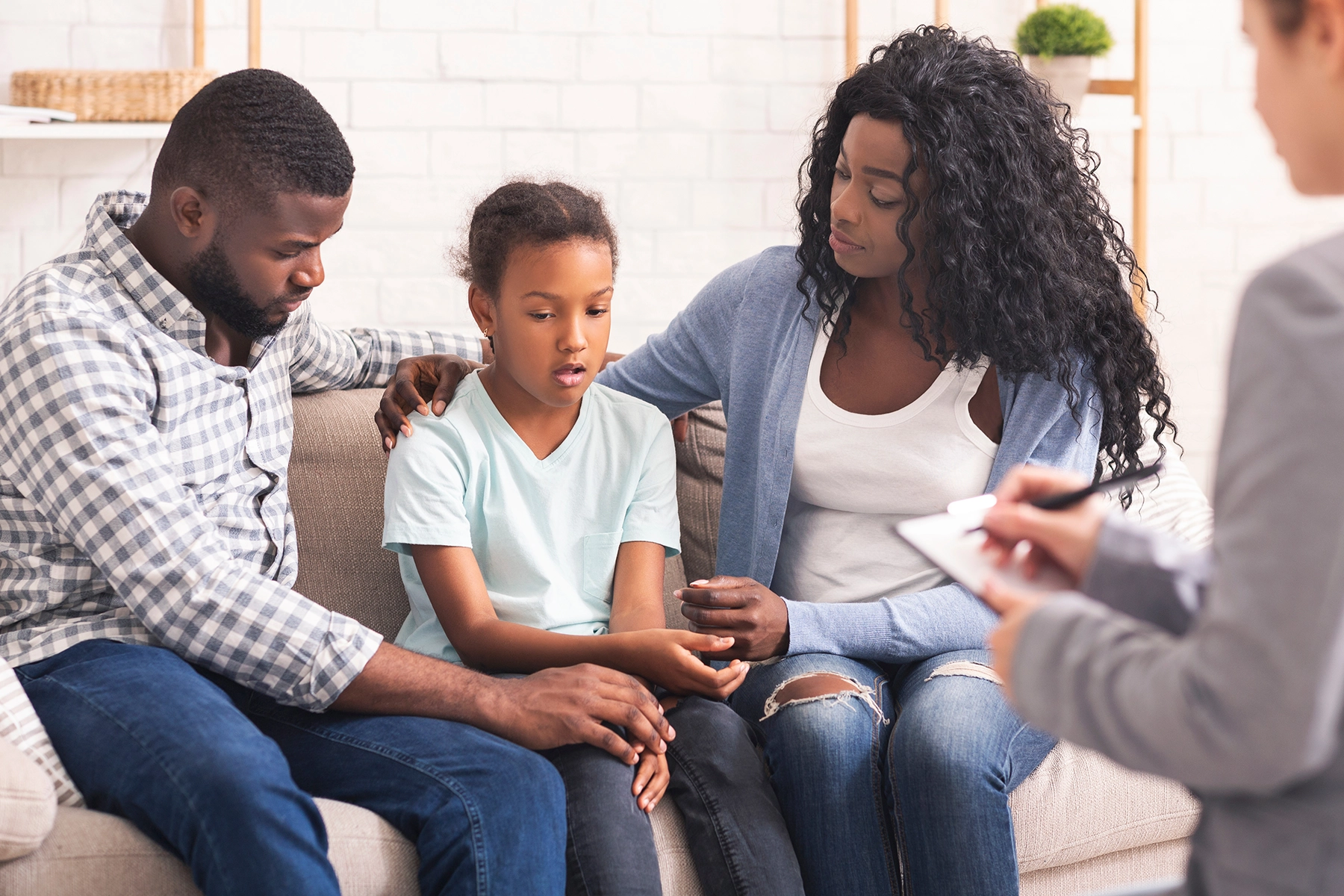
It takes place in a native environment where proficient specialists commonly integrate a wide range of counseling techniques. There's no solitary intervention that can be used in the exact same method for each family members, resulting in the same result every time. Family members treatment is regarding facility partnerships, not formulas. A family therapist commonly draws from a variety of healing methods to individualize a treatment plan.
This step is crucial for producing a safe and trusting atmosphere where member of the family can share their problems honestly. Evaluation: During this action, the therapist collects information to understand the family members's framework, limits, power structures, and interaction patterns. The evaluation stage aims to determine bothersome patterns and actions that add to the family's problems.

Restructuring: Once the therapist has actually analyzed the household's dynamics and recognized troublesome patterns, the restructuring phase begins. This action entails treatments targeted at customizing the family members's framework and communications. The therapist may suggest adjustments in boundaries, hierarchies, and communication designs to promote much healthier connections. The objective is to help relative adjust to new patterns that urge better communication, analytical, and dispute resolution.
When Trauma Affects Partnership Dynamics
It involves enhancing favorable actions, urging continued growth, and offering assistance as required. The specialist likewise assists the household develop durability and manage difficulties that might arise as they adapt to the new patterns of communication. In family medicine, the idea of the family members life cycle refers to the various stages a family generally experiences in time.
They might seek higher education and learning, begin their occupations, and discover their identities outside the family. Coupling/Marriage: This phase includes the development of a dedicated relationship, such as marriage or lasting cohabitation. Couples might concentrate on constructing their relationship, establishing shared values, and preparing for their future with each other. Parenting/Family with Children: In this phase, pairs become parents and increase little ones.
Family members with Adolescents: As children grow into teens, the family members deals with brand-new obstacles connected to parenting teenagers. Parents must adjust to the transforming requirements of their children and support them with the procedure of establishing freedom and independence.
Adolescent Depression as Family Dynamics
Adult children may take on caregiving duties for their senior parents, and the household may require to deal with problems associated to aging and end-of-life preparation. All of us desire happy households. Ones that support us and help us expand. Ones that give security also when we're really feeling prone. Ones that really feel like home.
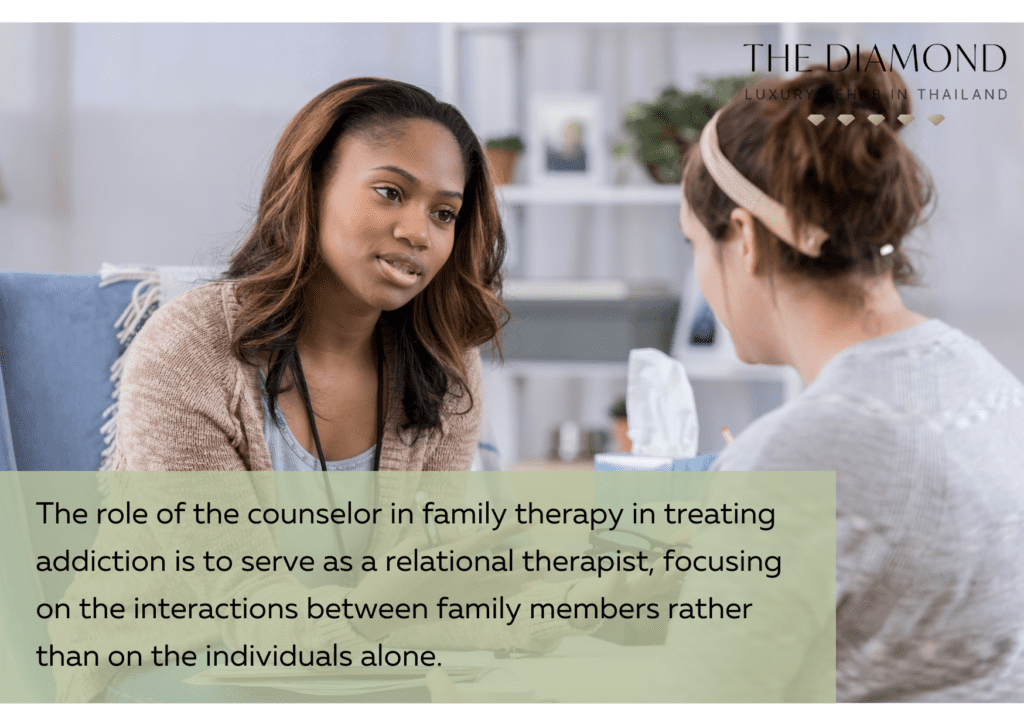
Often it takes effort, thoughtful communication, and a capability to see issues from various point of views. These aren't abilities that everybody just develops naturally. Often you need to make the intentional decision to do betterand that's where family members treatment at Thriveworks can make a huge difference.
Trauma-Specific Protocols: Evidence-Based Options for Trauma Recovery
This restorative approach addresses specific challenges, especially those associated to psychological health and ailment. By stressing the vital role of family members dynamics in emotional well-being, therapists work to promote a helpful atmosphere for healing. One of the considerable end results of family members therapy is boosted communication. Families find out to share their thoughts and sensations in a structured and safe area, which lowers misconceptions and miscommunication.

Latest Posts
Moving Past Uncertainty About Therapy
Where Insight-Oriented Therapy Benefits Clients for Deep-Rooted Patterns
Working With Long-Term Trauma Through Expert Care for Mental Health